
Rooted. Embodied. Alive.
Heart Tree Psychology is located in the Brick House Collective offices:
Suite 101, 5669 - 99 St.
In person and online sessions
Why choose counselling?
The purpose of accessing counselling services is to alleviate symptoms that prevent you from experiencing ease and joy in your life. These symptoms often take the form of anxiety, depression, sleep issues, physical complaints and relationship issues. These difficulties often arise from an acute event and/or prolonged stress. In the counselling field, we often name this type of stress “trauma” – that is, any event or series of events that overwhelm the nervous system beyond its capacity to return to a normal baseline (or regulated state).
Heart Tree Psychology takes a holistic approach to counselling, treating both the symptoms and the root causes of the distress. Heart Tree Psychology’s mission is to help support your nervous system in (re)connecting to its innate ability to self-regulate.
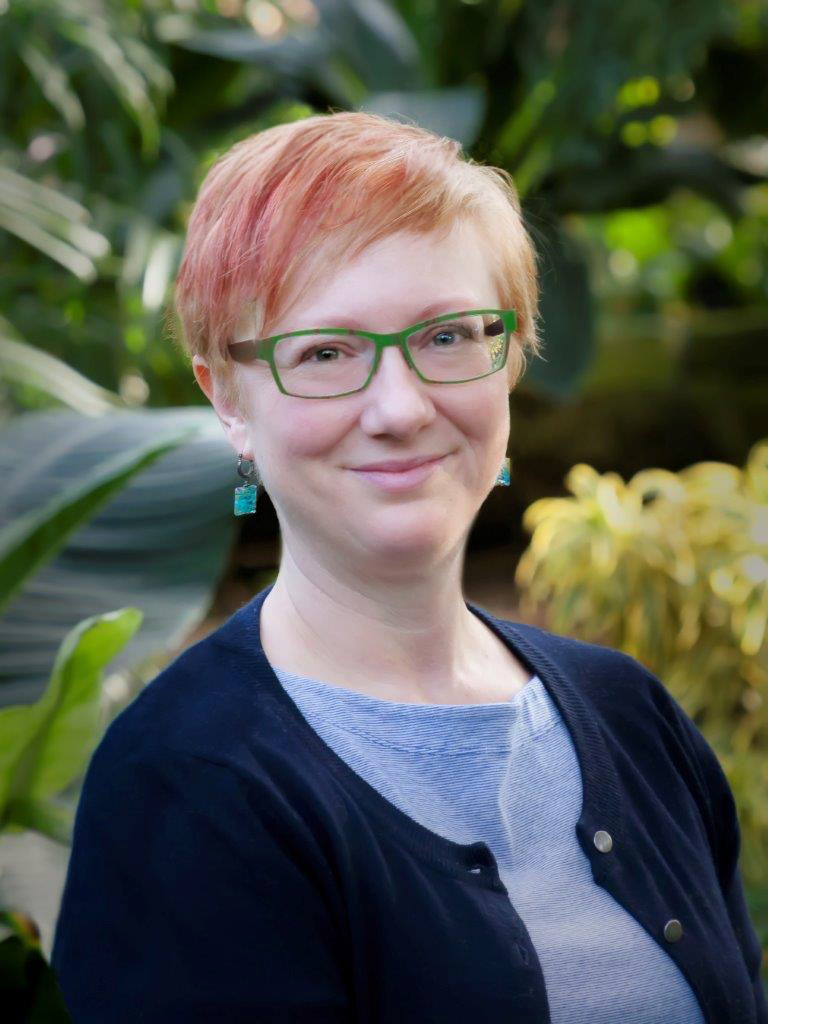
Laura Kennedy
Registered Psychologist
Laura understands the challenge of changing uncomfortable thoughts, feelings and behaviours. Laura has a warm, empathic approach, and a good sense of humour. Laura is both pragmatic and creative, and works with each individual to find the best way to work through their particular issues.

Optimally, what comes up also comes down. When we experience stress, we also want to experience the release of and recovery from that stress.
If we lack sufficient time, space or resources, a stress response can get stuck in our bodies, resulting in the symptoms of anxiety, irritability, pain, and depression. Heart Tree Psychology supports you in (re)learning how to settle and release this bound energy. This frees you to cope with everyday stressors with greater ease, and increase your capacity for joy.
Heart Tree Psychology’s Approach
It takes courage to actively engage in a healing process. Often people wonder why they would choose to stir up old wounds, or embark upon a journey into the unknown. There can be times that the therapeutic process feels overwhelming, or like your progress is being measured in millimetres. Heart Tree Psychology works collaboratively with you every step of the way, providing education and skilled guidance throughout the process, ensuring that you understand and agree with the direction of therapy. For some people 10% better is good enough; for others, healing is a life-long process that supports personal growth. Heart Tree Psychology works with you to engage in the change process that fits best for you.
Heart Tree Psychology is excited to offer a newer but very effective treatment modality: Deep Brain Reorienting (DBR).
“Just when the Caterpillar thought the World was over, it became a Butterfly.”
— Proverb

Deep Brain Reorienting (DBR)
When you understand what happened, but your body still feels stuck
Trauma isn’t always something we can resolve simply by talking about it. Sometimes, your mind knows you are safe, but your body continues to carry the impact of what happened.
Deep Brain Reorienting (DBR) is a gentle, body-based approach to processing trauma, attachment wounds, and experiences that have left you feeling overwhelmed, disconnected, or stuck.
DBR works with the body’s initial response to shock—before the emotions and thoughts take over. By slowing this process down and gently noticing what is happening in the body, DBR can help the nervous system process experiences that may have remained unresolved.
You don’t need to force yourself to relive your trauma or explain everything perfectly. Laura will be there with you throughout the process, providing a calm and supportive space while you gently connect with your experience.
If you’ve tried talking about your experiences but still feel that something is unresolved, DBR may offer another path toward healing.
What does DBR look like in practice?
Deep Brain Reorienting (DBR):
A Gentle Approach to Healing Trauma
You may find yourself overwhelmed by emotions, easily triggered, disconnected, anxious, or carrying a sense that something is still “stuck.” You may even know that what happened was in the past, while your body continues to respond as though it is happening now.
Deep Brain Reorienting (DBR) offers a gentle, body-based approach to processing trauma and attachment wounds at a deeper level.
Working with the shock beneath the story
When we experience something threatening, overwhelming, or deeply painful, the body and brain respond incredibly quickly—often before we have time to make sense of what is happening.
DBR focuses on this initial experience of shock, helping you slow down and gently process what your nervous system has been holding onto.
Rather than repeatedly talking through or analyzing the traumatic experience, DBR invites you to notice what is happening in your body as you stay connected to the present moment. This can allow the deeper brain and nervous system to process the experience without becoming overwhelmed by it.
DBR can be helpful for:
Traumatic or frightening experiences
Relational and attachment trauma
Experiences of rejection, abandonment, or disconnection
Unmet emotional needs
Persistent feelings of fear, shame, or overwhelm
A deep sense of aloneness or disconnection
Trauma responses that continue even when you understand the experience intellectually
A gentle way forward
DBR begins by engaging the superior colliculus, a part of the brain involved in orienting and helping us locate ourselves in our environment. This provides an important foundation for staying connected to the here and now while processing difficult experiences.
During a DBR session, Laura provides a calm, supportive presence while giving you space to notice what unfolds naturally. Laura will guide you when needed, but won't ask you to force yourself to relive or explain your trauma.
The process is less about figuring everything out and more about gently being with what your body is already communicating.
As the underlying shock is processed, emotions that once felt overwhelming can become more manageable, creating greater space for regulation, connection, and healing.
You don't have to keep carrying it alone
If you have tried talking about your experiences but still feel that something remains unresolved, DBR may offer another way to work with your healing.
You don't have to force yourself to move past what happened. Together, we can create the space for your brain and body to process what they have been holding onto.
Research on DBR is emerging, including a recently published study that found a statistically significant reduction in PTSD symptoms following DBR treatment.
Self Regulation Therapy (SRT)
Heart Tree Psychology works with you to gently renegotiate experiences in your life that may feel overwhelming. SRT (self-regulation therapy) is a gentle, body-centred approach that supports the nervous system.
As you and Laura explore the concerns that have brought you to counselling, she may invite you to pause and notice what is happening in your body. You might notice sensations such as tightness in your chest, clenching in your stomach, changes in your breathing, or a sense of tension elsewhere in your body.
You may then be invited to notice where you feel most settled or supported—for example, the support of the chair beneath you or the feeling of your feet on the ground.
With Laura’s guidance, you gently “pendulate,” moving back and forth between sensations of activation and sensations of calm or stability. This gives your nervous system an opportunity to move between these different states without becoming overwhelmed. You may notice that areas of tension begin to soften, your breathing becomes easier, or you experience a greater sense of ease.
Laura will support you to continue this process as you explore the issue, allowing the body and nervous system time to settle and for the intensity of the experience to gradually decrease.
Working with traumatic experiences
At Heart Tree Psychology, Laura works with traumatic experiences in this same gentle and gradual way. Rather than needing to recount a traumatic experience chronologically or in detail, SRT allows you to begin from a place where you feel more grounded, supported, or resourced.
From there, Laura gently guides you toward the aspects of the experience that may still feel unresolved, while continually returning to a sense of safety and stability. This approach allows you to work at a pace that respects your nervous system and your capacity in the moment.
When we experience threat, the body has innate survival responses, including fight, flight, freeze, and other protective responses. During overwhelming or traumatic experiences, these responses may not have an opportunity to fully resolve. Some people continue to experience activation, tension, or other body-based responses long after the original event has passed.
Through gentle attention to these shifts between activation and settling, SRT aims to support the nervous system in moving toward greater regulation and a sense of completion. Over time, this can help you experience less distress and greater ease in your body when thinking about experiences that were previously overwhelming.
What does SRT look like in practice?
The best way out is always through.
— Robert Frost

Post-Traumatic Growth

“Life does not put things in front of you that you are unable to handle”
— Anonymous.
One of the final stages of processing through past distressing experiences or traumatic events is making some meaning from the experience. Why did I go through this? What useful piece of learning am I taking with me going forward? This meaning-making is referred to as “post-traumatic growth”.
Laura is continuously impressed by people’s innate resilience and ability to heal, despite being profoundly affected by past stressful or traumatic experiences. Clients often deepen their empathy for others, and develop a greater appreciation for the sweetness of life.
It is an honour to be able to support you on your healing journey.

Laura considers a session a success when you leave with increased clarity about the issues that you are dealing with, feel hopeful about addressing the challenges holding you back, and feel confident practicing new skills that you have added to your personal skill set. Ultimately, successful treatment leads to increased capacity for joy and greater ease in your life.
Heart Tree Psychology offers body-centred therapy such as Deep Brain Reorienting (DBR), Self-Regulation Therapy (SRT — note that this link goes to general information on somatic experiencing which is similar to SRT; the founders of SRT are in a reconstruction phase with their website), as well as Eye Movement Desensitization and Reprocessing (EMDR). Laura has done some basic introductory training in Internal Family Systems therapy (IFS).
Heart Tree Psychology strives to offer a safe space for individuals in the LGBTQ2S+, indigenous and BIPOC communities.
Counselling Specializations:
Trauma
Interpersonal abuse
Sexual abuse/assault
Accidents & injury
Chronic Pain & Health Issues
Medical and dental preparation & recovery
Anxiety, fears & worry
Depression
Body-Image issues
Self-Esteem issues
Stress & burnout
Grief & Loss
Communication & Assertiveness
Relationship Issues